
 Posted by
 I don’t know anyone who’s not had at least one episode of heartburn in their lifetime. Spicy Mexican? Hot wings? Too much wine with dinner? I remember my first episode of heartburn was in high school—I found myself chugging Maalox in the kitchen at 11:30 PM. I think it was even expired, but I was desperate. I remember it was from a DiGiorno pizza (it took me 17 years to eat it again). We know certain foods and drinks cause us to have this terrible sensation, but WHY does it happen? Acid reflux or GERD (gastroesophogeal reflux disease), is when stomach acid regularly causes unpleasant symptoms in the first part of your GI tract— the stomach, esophagus, and mouth. Indigestion, burning in the throat/chest, upper abdominal pain, a bad taste in the mouth, a dry nagging cough, and even tooth erosion are signs of this diagnosis. Some of my patients just complain of constant phlegm in the throat and even a sensation of food getting stuck halfway down their esophagus. Experience these symptoms regularly? It warrants treatment and, especially, dietary changes. Let me explain the science behind why you feel this way.
Your stomach is responsible for breaking down food so that the small intestine can propel it through to the colon. Different nutrients get broken down and absorbed at different stages of the GI tract. The instant your food/ beverage hits the mouth, digestion begins. First, sugar begins to break down in the saliva. Once food hits the stomach, acid awaits to digest protein. Just smelling the food you’re about to eat stimulates your stomach to amp up its acid production— awaiting its main job in the next few minutes. Isn’t the body amazing? Anyway, fat is primarily broken down in the first part of the small intestine (the gallbladder does its job here). Once the remnants hit the colon, it’s pretty much waste at this point.
Okay, so this acid I mentioned in the stomach…think back to pH in chemistry class. It’s how acidic or basic something is on a scale of 1-14. Neutral is a pH of 7. Milk and water are essentially neutral between 6-7 depending on the source. Baking soda is basic (pH around 8). Bleach is about a 13. Lemon juice is about a 1 (super acidic). Pepsi is the most acidic soda pop (2.53) with Coke a close second at 2.7. OK so why am I giving you these examples? Well, I’m sure you’ve had something super acidic before like a margarita or a certain pizza (DiGiorno flashbacks) and you immediately reached for the Tums. People find that when they get heartburn, drinking milk or taking a baking soda/water mixture calms the discomfort. That is because stomach acid is a pH of between 1.5-3.5 and those calming substances are more basic. Being cognizant of what you ingest is crucial to treating and preventing your acid issues.
There are cells in the stomach that are responsible for making stomach acid. They’re called parietal cells. Chief cells make the enzyme that breaks down proteins. Mucous cells make the protective mucus that doesn’t let stomach acid harm the lining of the stomach itself. The stomach has to protect itself from itself! If acid bubbles up into the esophagus—OUCH. The esophagus doesn’t have that protective mucus to prevent damage and discomfort. The junction of where the esophagus ends and the stomach starts is called the LES, or lower esophageal sphincter. It’s a ring of muscle and acts like a doorway. If the LES isn’t tight/strong and lets stomach acid back up into the esophagus, acid reflux occurs. A weak LES is why reflux happens. Only about 10% of folks have GERD because they have too much acid in the stomach—most people have LES weakness, but many folks can have both issues.
So what medications can you take when this happens? Drugs called PPIs and H2 inhibitors are usually prescribed to you. PPIs are proton pump inhibitors— they reduce stomach acid production. Prilosec, Nexium, and Protonix are name brand examples. They’re more long-acting. H2 inhibitors like Zantac, Pepcid, and Tagamet combat histamine in the stomach—histamine stimulates those acid-producing parietal cells I mentioned earlier. They’re short/fast-acting. You can take both of these drug types together, but that’s usually for folks with constant, unrelenting GERD. You may only need to take these for a month or six, or maybe even for a couple of years. Some of these medications aren’t appropriate for everyone due to specific but rare drug interactions and you should ask your provider which one they suggest based on your current health conditions. But generally, they’re great and very helpful. There are also antacids like Tums, Rolaids, and my beloved Maalox, which you can get over the counter. They’re fast acting, also…thank heavens.
Regardless, if medications and dietary changes do not make much of a difference in your symptoms, you need an endoscopy. This is when, under anesthesia, a GI specialist looks into the esophagus, stomach, and first part of the small intestine with a camera to see why you feel so badly, and if something more serious is going on. Often, they see gastritis, esophagitis, and even an ulcer. Gastritis is inflammation of the lining of the stomach and esophagitis is inflammation of the lining of the esophagus. Long-term esophagitis can create something called Barrett’s esophagus— we don’t like seeing this on a scope because it means you’ve had acidic damage to the esophagus for quite some time, and it’s a precursor to esophageal cancer. Ulcers occur when stomach acid creates a sore in the stomach lining—this isn’t ideal. Picture a canker sore in the mouth, but in the stomach. Again—OUCH. Ulcers can also be caused by a bacteria called H. Pylori, which an endoscopy can test for. Ulcers can wear a complete hole in the stomach and it’s potentially deadly. You may also have slow gastric motility or gastroparesis where food doesn’t move as quickly as it should through to the small intestine. This causes your stomach to be exposed to acid longer than it should. Now, there are more abnormalities that can cause GERD, but for brevity, I’ll move on.
The moral of this post is to pay attention to your body; know what not to eat, how not to eat, and when not to eat, especially if you get acid reflux regularly.
WHAT: Large meals and foods with acidic properties like pineapple, tomatoes, hot sauce, pizza, chocolate, peppers, and onions; and beverages like coffee, tea, alcohol, soda pop, orange juice, and anything carbonated will flare reflux. Sometimes people have just one trigger— maybe it’s tea, or a specific brand of pizza (there’s that DiGiorno, again). Regardless, avoiding what triggers your acid reflux is very important for the lifelong health of your GI tract. Oh, and don’t smoke tobacco products. I feel like this is an obvious suggestion, but this habit exacerbates reflux and lowers LES pressure.
HOW: Eat small portions every time you eat. Large meals distend the stomach and cause increased amounts of acid to be present. If you have a morning cup (or pot) of coffee, make sure you eat something with it, like eggs or a low-carb greek yogurt.
WHEN: Do not eat too close to bedtime. Upright posture helps the stomach acid to stay where it’s supposed to. Lying down soon after eating is a surefire way to reach for the antacids.
If you’ve had more than a few episodes of acid reflux/ indigestion lately (or the other symptoms I mentioned), reach out to your PCP or GI specialist. You don’t want the inflammation to begin, and you definitely don’t want an ulcer. Chronic, untreated acid reflux has very negative and miserable consequences. Sometimes, too, symptoms you mention at your regular PCP checkups may indicate something called “silent reflux”—the dry cough, bad taste in the mouth, a hoarse voice, and strange sensation in the throat. For real, acid reflux can even damage your vocal cords. Maybe your dentist has noticed numerous cavities and you can’t explain why. You may never even have the slightest discomfort but can still have GERD. Speak up about your symptoms, and you can be guided to relief.
As always, I’ve included some pictures to help explain my points of discussion.

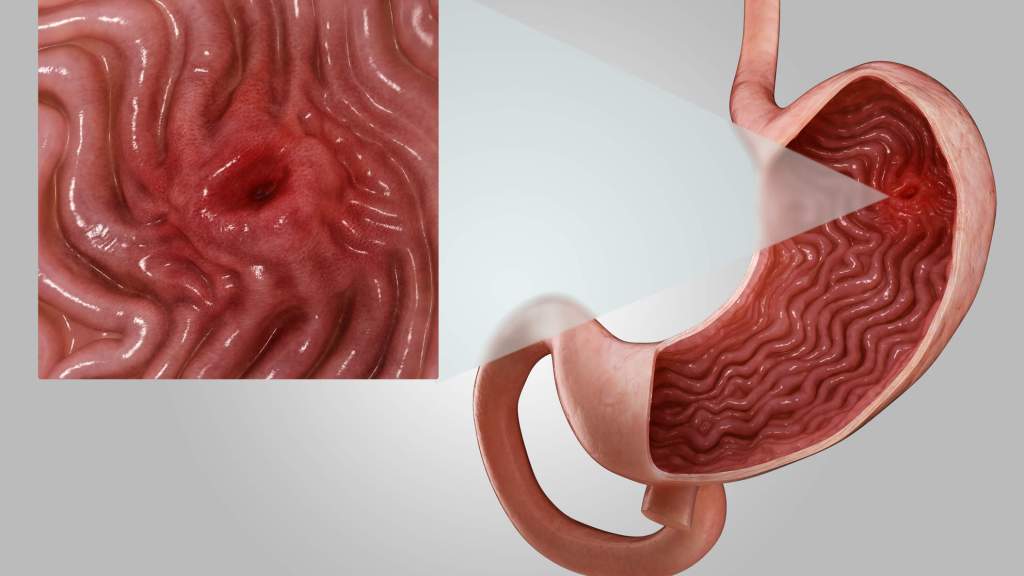
*I am in no way promoting the brands mentioned in today’s post, nor do I have special interests with these brands.
References:
Anouf A et al. Pop-Cola Acids and Tooth Erosion: An In Vitro, In Vivo, Electron-Microscopic, and Clinical Report. International Journal of Dentistry. 2010(1687-8728).
Hakanson R and Sandler F. Histamine-producing cells in the stomach and their role in the regulation of acid secretion. Scand J Gastroenterol Suppl. 1991; 180:88-94.
IFFGD. Diet Changes for GERD. 2019. Retrieved November 9, 2019 from https://www.aboutgerd.org/diet-lifestyle-changes/diet-canges-for-gerd.html
Kahrilas PJ and Gupta RR. Mechanisms of acid reflux associated with cigarette smoking. 1990. Gut. 1990 Jan; 31(1): 4–10.
Savarino E et al. Expert consensus document: Advances in the physiological assessment and diagnosis of GERD. Nat Rev Gastroenterol Hepatol. 2017 Nov; 14(11):665-676
Image 1: http://aia5.adam.com/content.aspx
productid=117&pid=1&gid=000265
Image 2: https://cdnimg.health.com/sites/default/files/styles/ large_16_9/public/styles/main/public/stomach-ulcer-gettyimages-480792731_0_0.jpg?itok=xIR4JpQx
Featured image: https://www.health.harvard.edu/staying-healthy/8-ways-to-quell-the-fire-of-heartburn
 Piece of Mind